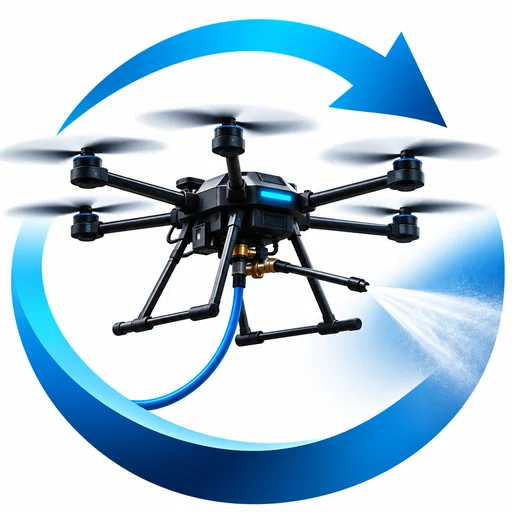
FOLIAR APPLICATION01
Liquid crop nutrition
Inquire about foliar-feeding and nutrient products approved for the intended crop and aerial method.
AGRICULTURE / PLANT NUTRITION
Agricultural drones may be equipped for foliar nutrient applications, compatible liquid fertilizers and selected granular spreading or seeding work. The material, crop, equipment and flight authorizations determine the method.
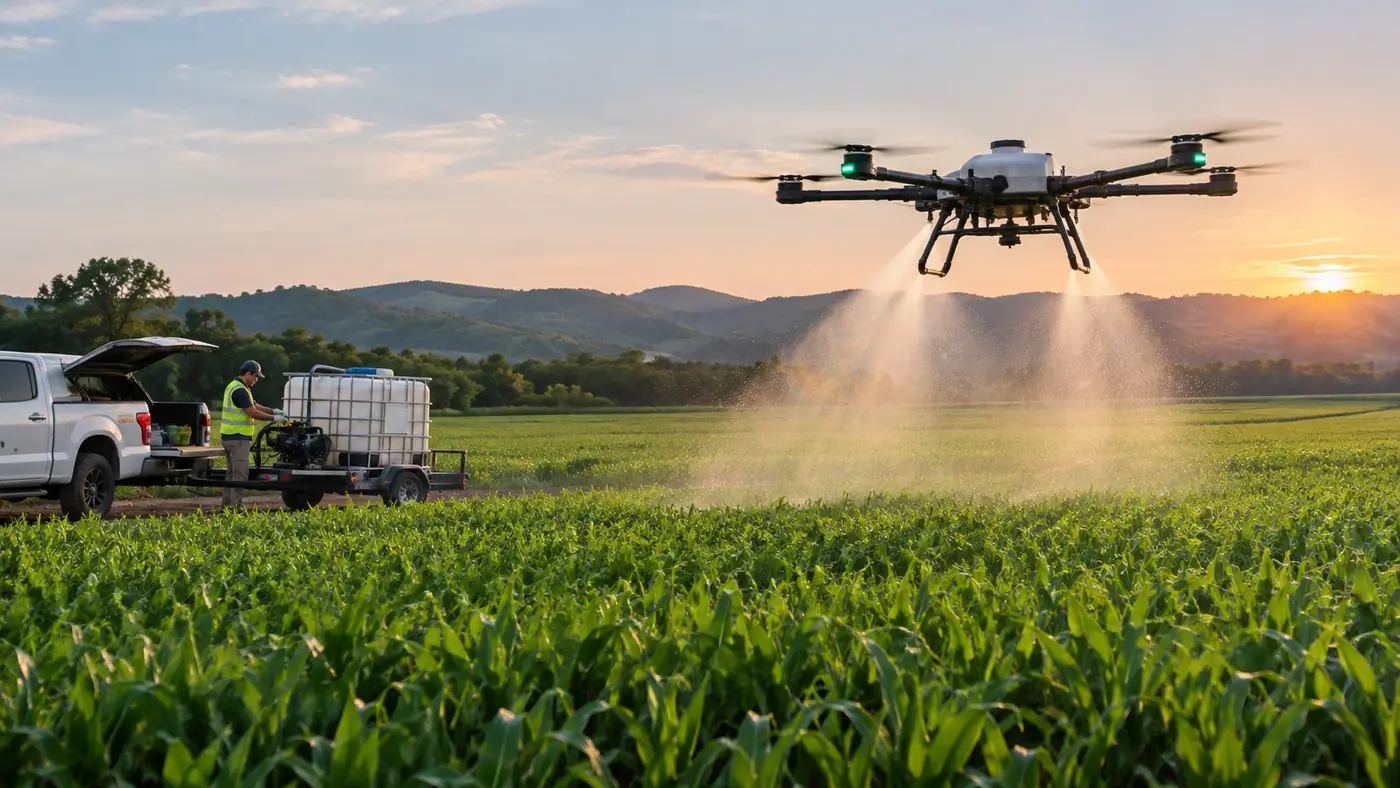
PROJECT CONSIDERATIONS
A liquid spray system is not the same as a granular spreader. Application rate, material flow, crop needs and label restrictions must be reviewed before an operator accepts the job.
Inquire about foliar-feeding and nutrient products approved for the intended crop and aerial method.
Some drones carry spreading systems for eligible fertilizer materials. Granule size, rate and equipment calibration matter.
Where site conditions, material, equipment and regulations permit, selected seeding or cover-crop applications may be considered.
HOW WE COORDINATE REQUESTS
Agricultural services are quoted only after the project and prospective operator have been reviewed. Dates and materials are never assumed.
Share crop type, acres, proposed material and planned timing.
Confirm label, product weight, equipment, aircraft registration and required operator approvals.
Approve scope, weather limits and acreage-based or project pricing.
OPERATOR & PRODUCT REVIEW
Aerial application in the U.S. is regulated. FAA Part 137 and applicable exemptions or approvals apply to dispensing agricultural products. Pesticide work may require state aerial applicator credentials, aircraft registration and specific insurance or bonding requirements.
Product labels, drift restrictions, crop suitability, weather and airspace must be checked by the responsible authorized operator before work is accepted.
FAA agricultural drone rules ↗Florida aerial applicator licensing ↗COMMON QUESTIONS
Each field and treatment is different. Start with the crop and intended result, then the proposed method can be reviewed.
Yes, specialized agricultural drones use spreading attachments. Each material must be compatible with the equipment and allowed for the intended application.
Not necessarily. Materials have different uses, labels and regulatory requirements, but dispensing substances for plant nourishment can still fall under FAA Part 137.
Some configurations can spread compatible seed. The operator must confirm equipment, seed type, applicable regulations, site conditions and achievable coverage.
START WITH YOUR FIELD
Location, acreage, crop and treatment goal are enough to start a suitability review. We’ll confirm available qualified operators before offering a service date.